
Ten Poems by David Anson Lee
- 24 hours ago
- 3 min read
What the Body Keeps Quiet
The body is not a vault
but a hallway with bad lighting.
Every door I pass
knows my name.
A bruise blooms
before the story arrives.
A tremor practices
what I won’t say.
I drink water like an apology.
I sleep like someone waiting
to be forgiven.
Inside me, a small animal
paces the ribs,
counting exits.
I tell myself
this is only memory.
But memory has teeth
and remembers how to bite.
Instructions for Standing Still
Stop pretending
movement equals escape.
Plant your feet
where the floor is cold
and honest.
Let the noise
sort itself out:
sirens, regrets,
the names you never learned
to say correctly.
Stillness is not surrender.
It’s the moment
you stop running long enough
to notice what’s chasing you
wears your face.
Micro-fictions for a Shrinking World
i.
The map was wrong.
We arrived anyway.
ii.
She waved goodbye
to a version of herself
that never existed.
iii.
Every clock agreed
it was too late
to be on time.
iv.
He kept the receipt
for the future
just in case.
v.
The silence learned our names
before we did.
Elegy with the Radio On
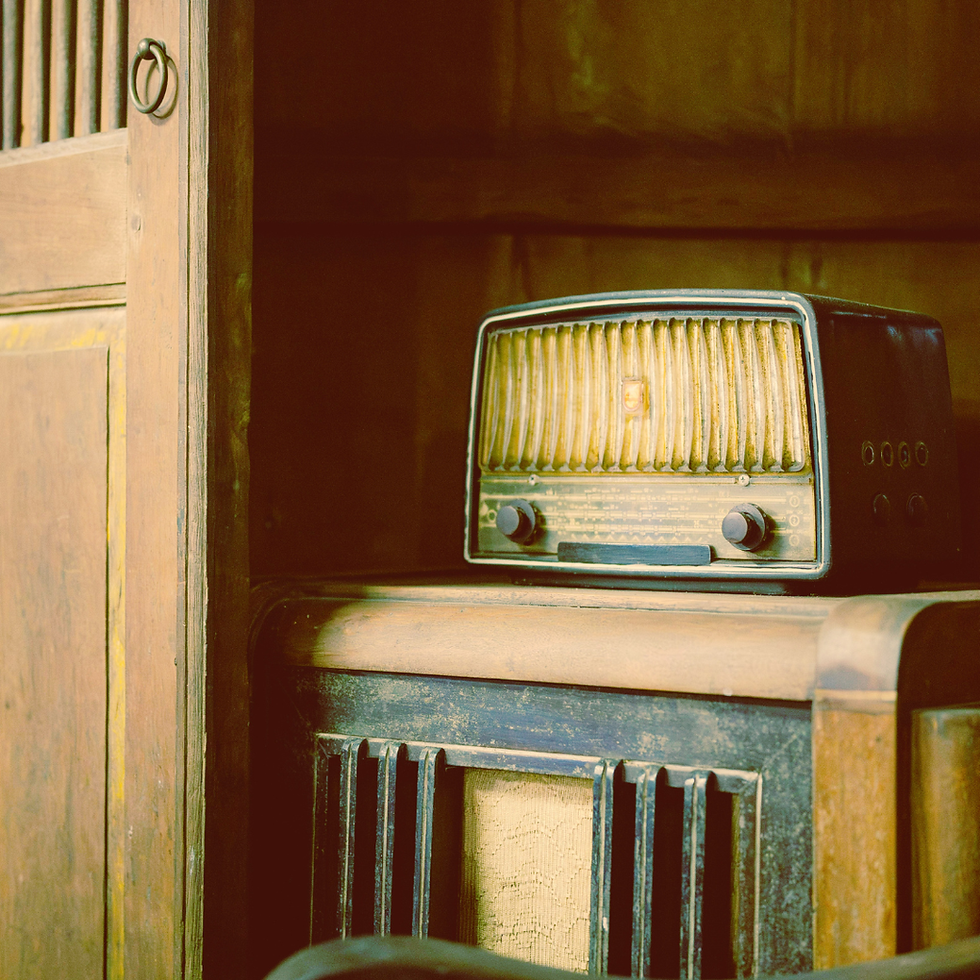
The radio keeps talking
through the worst moments:
as if noise were care.
A love song leaks
into the room where
we practice not grieving.
Someone sings forever
while I fold a shirt
that still smells like you.
This is how loss happens:
background music,
commercial breaks,
a voice insisting
everything will be fine
after the weather.
The House That Learned Me
The house learned my habits before I did.
The floorboard by the sink memorized my steps.
The window understood my hesitation.
Even the dust knew where to settle:
on what I touched most.
When I left, nothing moved.
The house didn’t follow.
It simply waited,
certain I would return
to collect the parts of myself
I left behind.
Tanka for the Unanswered Call
Phone glowing at night:
your name flickers once, then
turns into weather.
Some distances are measured
by what never rings.
The Day Humor Failed
I tried to make a joke
out of it:
the way people do
when pain feels heavier
than truth.
The punchline collapsed.
The room stayed quiet.
That’s when I learned:
some truths refuse
to be softened.
They want to be held
without laughing.
Self-Portrait as a Temporary Structure
I am scaffolding:
meant to be climbed,
not admired.
People lean on me
while building something else,
then thank me
for not being in the way.
One day I’ll be dismantled
piece by piece,
and no one will remember
what stood here
before the view improved.
After the Apology
After the apology,
nothing dramatic happens.
No thunder.
No instant repair.
Just two people
standing in the same room
with different ideas
of what forgiveness costs.
We agree to continue.
That’s it.
That’s the miracle.
What Survives the Fire
Not the furniture.
Not the photographs.
Not the careful plans
outlined in pencil.
What survives
is the instinct
to reach for someonei
n the dark.
What survives
is the voice saying
your name
without knowing
if anyone will answer.
Comments